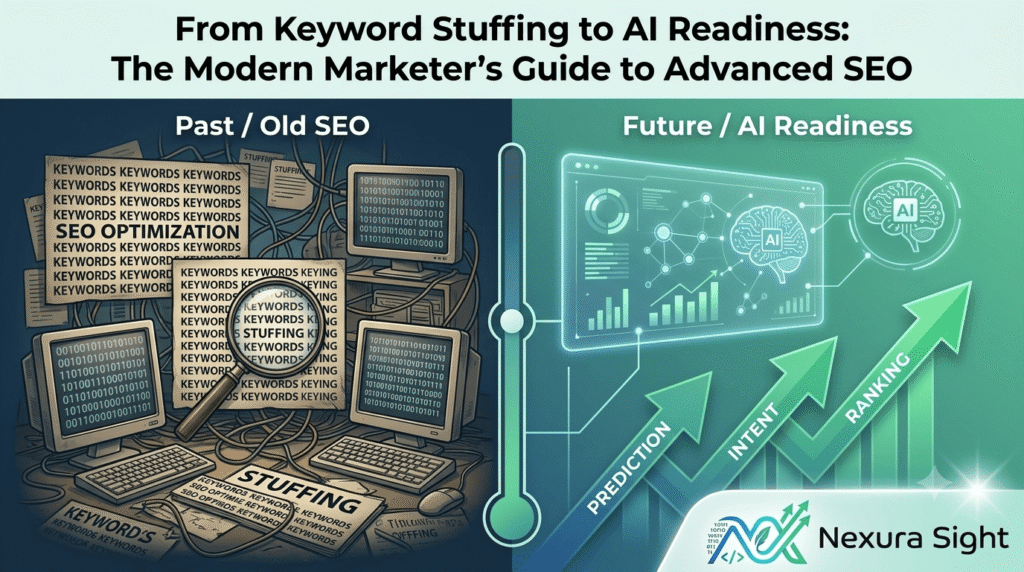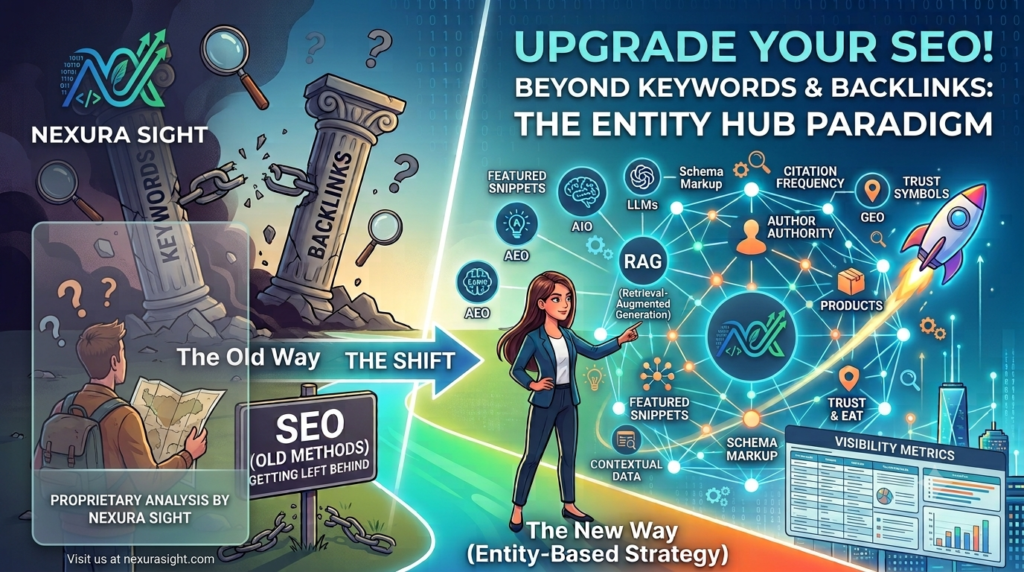

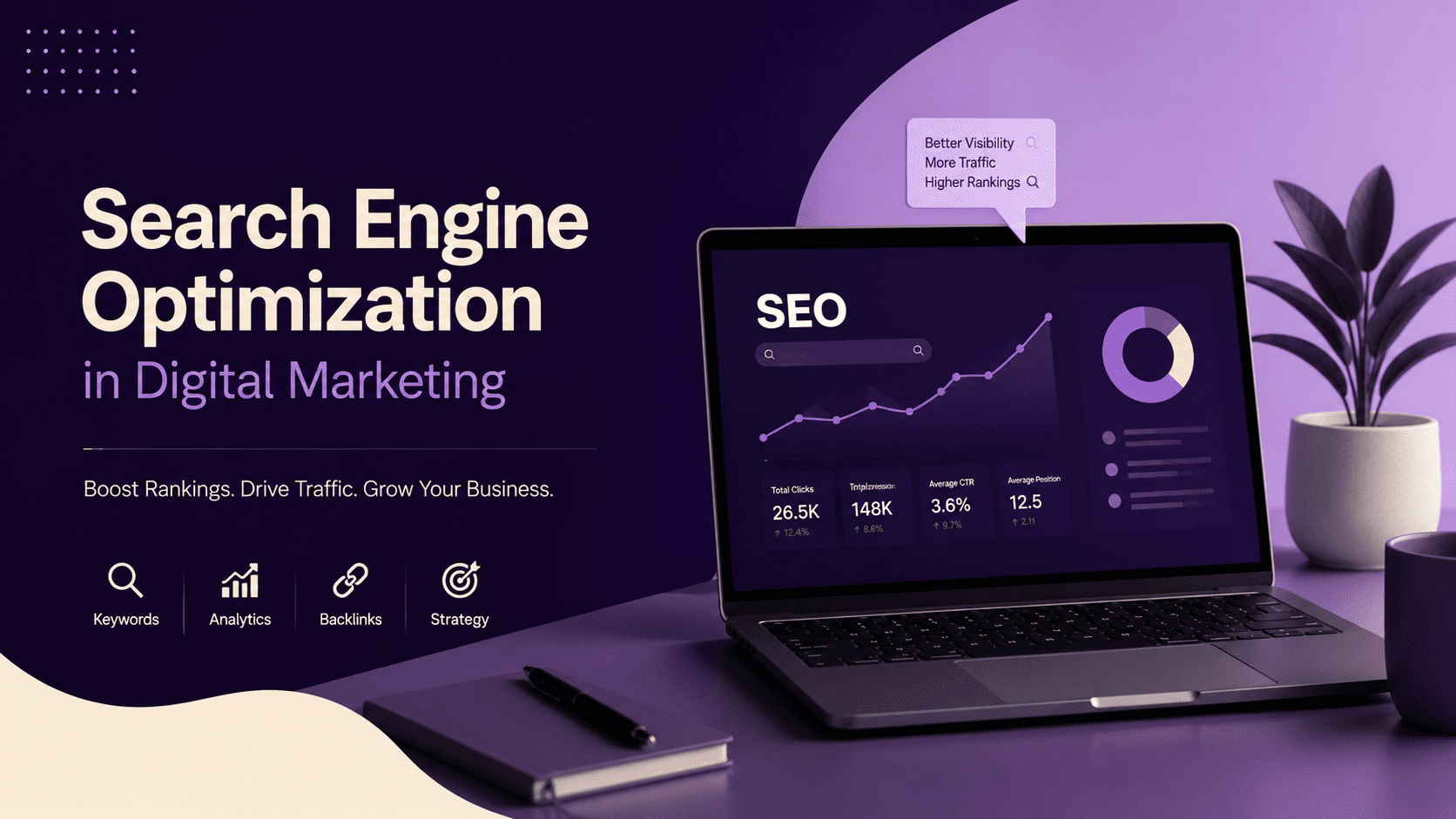
In today’s internet environment, knowing about SEO in digital marketing is crucial for anyone who wants to build their website, brand, or business. If you’re a newbie or seeking to polish your skills, having a clear search engine optimization strategy may make a tremendous impact on how your content performs on Google.
This SEO guide for beginners will walk you step-by-step from basic concepts to sophisticated strategies—helping you rank higher, generate organic traffic, and remain informed with the latest trends.
Table of Contents
ToggleWhat is SEO in digital marketing?
SEO (Search Engine Optimization) is the process of improving your website so it shows up in search engine results for relevant topics that users are searching for. SEO helps you generate organic traffic rather than paying for ads to get visitors. Like this: When someone searches for “best SEO guide for beginners,” your optimized material can be displayed on the top page.
A well-planned search engine optimization strategy is essential for achieving consistent and long-term growth in organic traffic.
Why SEO Is More Important Than Ever
With the increasing competition online, content creation alone isn’t enough. You need to have a great search engine optimization approach to stand out.
Major Benefits:
- Long-term traffic growth
- More ranking in search engines
- More credibility
- Better user experience
- Cost-effective marketing
When companies approach search engine optimization in a structured way, they tend to get higher rankings and more engagement. Your success in SEO in digital marketing is largely dependent on how well you implement your search engine optimization strategy.
.
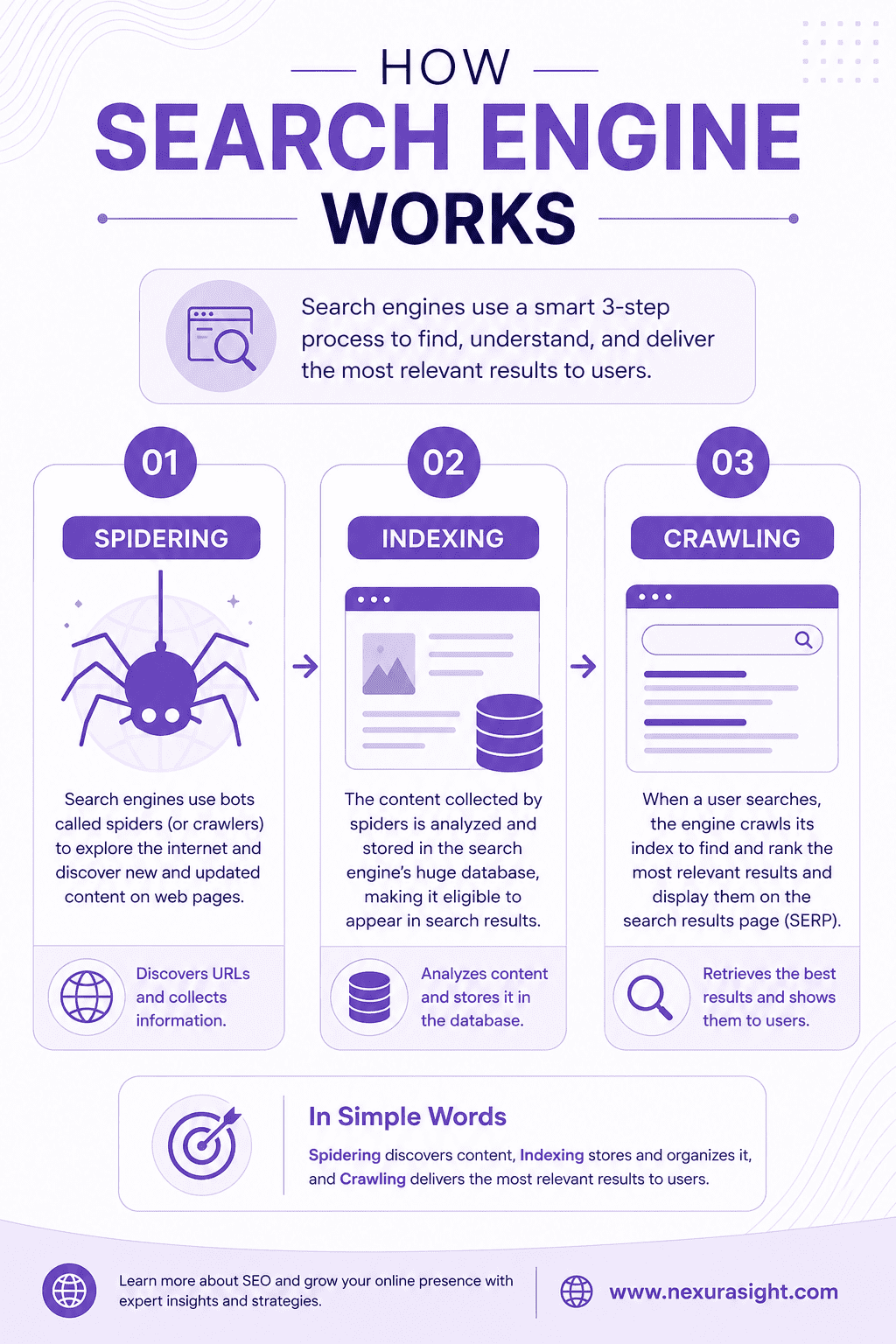
How Search Engines Operate
This knowledge helps to do a better SEO keyword ranking study
- Spidering
Search engines crawl your website.
- Indexation
They keep content in their database.
- Ranking
Pages are ranked by keyword relevancy and rank criteria.
On-Page SEO
On-page SEO focuses on optimizing content and structure.
Contents:
- Positioning Keywords
- Title tags and meta descriptions
- Optimizing content
- Internal links
That’s when your SEO keyword ranking study comes in handy.
Off-Page SEO
Off-page SEO is all about building authority
Includes:
- Backlink Plan
- Guest post: Social share buttons
- High-quality backlinks are a show of trust to Google.
Technical SEO
Technical SEO makes sure your website functions properly.
Includes:
- Speed of the page
- Mobile friendliness
- Secure website (HTTPS)
- Fixing crawl errors
Keyword Research: The Heart of SEO
Any strong SEO campaign always begins with keyword research with ranking factors in mind.
What is keyword research?
This is the process of figuring out what users are looking for.
Guidelines
- Focus on low-difficulty, high-volume keywords (just like you did
- Use long-tail keywords. 7
- Understand user intent:
Example
“SEO digital marketing for beginners” instead of “SEO”
This makes it more likely to rank.
- Strong SEO campaigns always begin with detailed keyword research ranking factors and user intent analysis.
Content Optimization Plan
Creating content without optimization is like writing in the dark.
Key Tips:
- Use natural keywords (no stuffing)
- Insert Headings (H1, H2, H3)
- Write for humans first, Google second.
- Keep readability
- Add value-driven information
A good search engine optimization plan always begins with useful content.
Backlinks: Build Authority
Backlinks continue to be one of the greatest SEO ranking variables.
Why They’re Important:
- Build up domain authority
- Build confidence
- Boost rankings.
How to Prepare Them:
Guest blogging, infographics, quality blog posts
Do Google Reviews Help SEO?
Yes, Google reviews can be good for SEO, especially for local businesses.
Benefits:
- Boost local ranks
- Earn your users’ trust
- Boost click-through rate
The more favorable reviews, the higher your local search rankings tend to be.
Technical SEO Checklist
Fast-loading website
Mobile-friendly design
Correct URL structure
No broken links
Submit XML Sitemap
Technical SEO is about making sure your website is crawlable and indexable by search engines.
Technical SEO is all about making your site faster and mobile-friendly.
“Technical SEO is the foundation that enables user experience and search engine performance.
Typical SEO Mistakes
- Keyword spam
- Overlooking technical SEO
- Low-quality backlinks
- Duplicate content
- Not updating content
Advanced SEO Strategies
1. Content Clusters
Develop pillar content and supporting articles.
2. Optimization for Voice Search
Use conversational queries.
3. Featured Snippets
Answer questions.
4. User Experience (UX)
Improved user experience = higher rankings
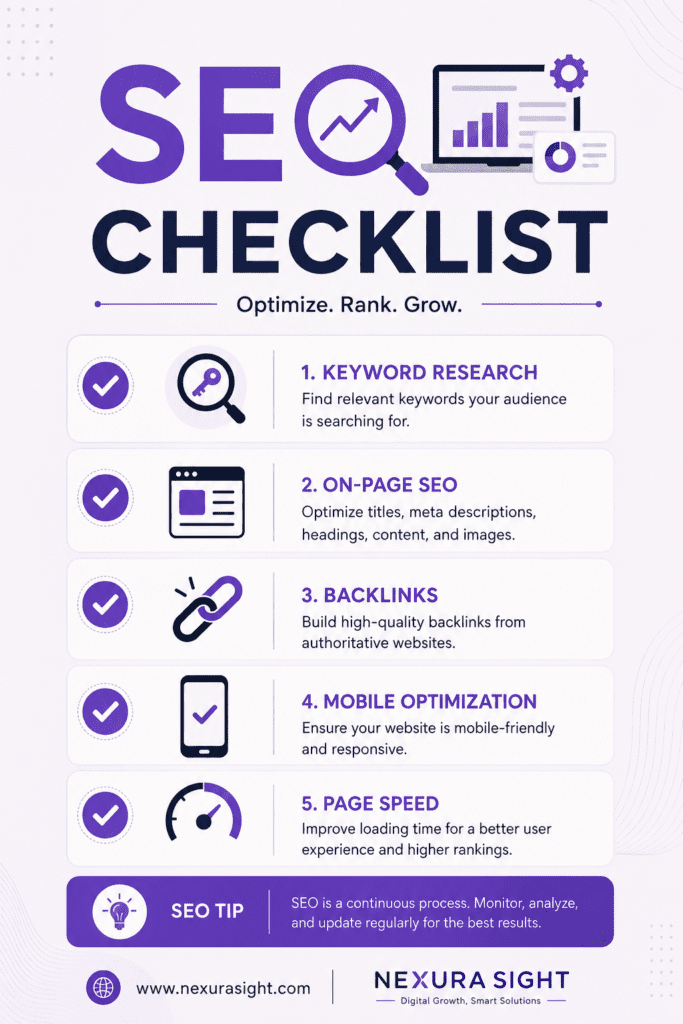
Full SEO Checklist
Keyword research completed
Headings optimized
Quality content
Backlinks built
Technical SEO fixed
Content routinely updated
"By following this SEO guide for beginners, applying proper search engine optimization strategy, and focusing on keyword research ranking factors, you can: Rank higher on Google Increase organic traffic Build long-term authority."
Hire a team of expert marketers to handle the search engine optimization for you
Just because one SEO tactic worked for a specific website doesn’t mean it will deliver the same results every time. Your search engine optimization strategy should stay flexible and adapt to changing search trends, user behavior, and Google updates for maximum impact.
Ready to grow your organic traffic and rankings with NexuraSight? Get a free SEO consultation and boost your online visibility today.
Writer: Zaina Nawaz
LEAD DIGITAL STRATEGIST